Let’s be honest – anal glands aren’t usually the topic of choice at dinner parties. But if you’re a pet owner, chances are you’ve encountered “the scoot” or caught a sudden, mystery whiff of something distinct.
Don’t worry, you’re not alone! Anal gland problems are fairly common in dogs and can sometimes affect cats too. The good news? Understanding how these little sacs work and knowing what signs to look out for can keep your furry best friend comfortable, happy, and scoot-free.
What Are Anal Glands?
Anal glands (often called anal sacs) are two tiny, fluid-filled pouches sitting just inside your pet’s bottom – roughly at the 4 o’clock and 8 o’clock positions.
Think of them as your pet’s natural calling card. These little sacs produce a strong-smelling fluid that contributes to your pet’s unique scent and can help communicate information to other animals.
Normally, small amounts of this fluid are released naturally during bowel movements without any fuss. But sometimes the fluid can thicken or not empty properly, leading to a buildup that can make your pet pretty uncomfortable.
Warning Signs: How to Tell if Your Pet Needs Help
If your pet’s anal glands aren’t emptying properly, you may notice signs of discomfort. Here are the most common symptoms to watch for:
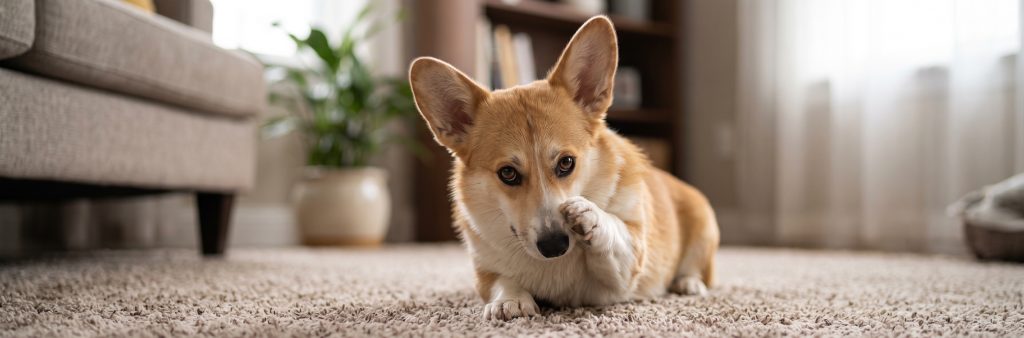
The Infamous Scoot: Dragging their rear end across your floor or garden lawn to relieve pressure.
Tail Biting & Licking: Constantly chewing, biting, or licking near the base of their tail.
A Sudden Fishy Odour: A strong, metallic or fish-like smell that seems to appear out of nowhere.
Swelling or Redness: Noticeable puffiness or sensitivity around their rear end.
Wincing or Straining: Whining, looking uncomfortable, or struggling during toilet breaks.
Why Do Anal Glands Get Blocked?
If your pet is experiencing anal sac discomfort, a few different factors might be at play:
Soft Stools or Diarrhoea: Firm stools help naturally compress the anal glands during bowel movements. When stools are consistently soft, they may not provide enough pressure for the glands to empty properly.
Impaction: Sometimes the fluid inside gets too thick and sticky, blocking the narrow exit ducts.
Infection & Inflammation: When fluid sits around for too long, bacteria can settle in, causing painful inflammation or even abscesses.
Allergies: Environmental or food allergies often cause subtle skin swelling, which can block the gland openings.
A Little Extra Weight: Pets carrying a few extra pounds can have softer surrounding tissue, making natural expression a bit trickier.
Simple Ways to Keep Your Pet Comfortable
While there’s no guaranteed way to prevent anal gland troubles, a few healthy habits may help support normal anal sac function.
1. Add the Right Amount of Fibre
A fibre-rich diet can help your pet produce firmer, well-formed stools, supporting natural emptying of the anal glands during bowel movements. If your pet regularly struggles with anal gland problems, chat to your vet about whether a dietary change or fibre supplement could help.
2. Keep Moving & Maintain a Healthy Weight
Regular exercise and a healthy weight support your pet’s overall well-being and help maintain healthy digestion. Keeping your pet at a healthy weight may also help their anal sacs empty more effectively.
3. Trust the Grooming Professionals
Grooming sessions are a good opportunity to check your pet for any changes or signs of discomfort. An experienced groomer may notice visible signs such as swelling, irritation, or unusual discharge and can recommend veterinary attention when something doesn’t look quite right.
Need a hassle-free pampering session right at home? Book a visit with Ultimate Pet Care to keep your pet clean, happy, and well looked after.
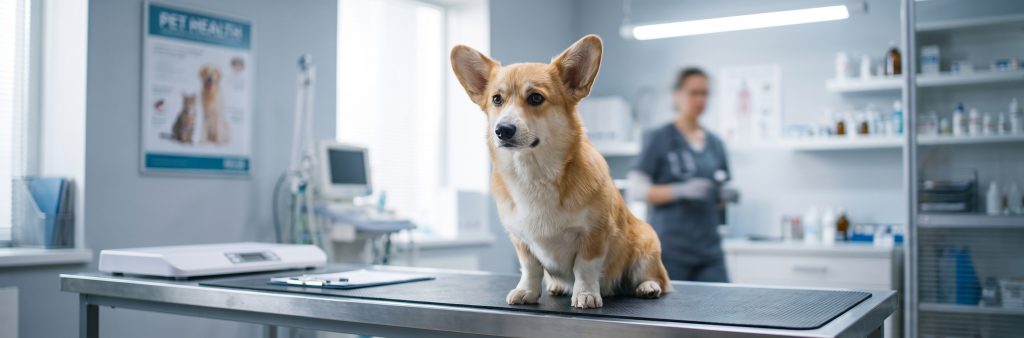
When Is It Time to Call the Vet?
While a routine check from a groomer is great for general hygiene, severe discomfort requires medical attention. Please consult your veterinarian right away if you notice:
Any blood, pus, or open sores around the anus.
Severe swelling or visible distress when your pet sits down.
Crying out or intense pain during bowel movements.
A friendly note: Healthy anal glands don’t need manual squeezing just for the sake of it! Squeezing healthy glands unnecessarily can actually irritate them. If your pet seems comfortable and isn’t showing signs, let nature do its job.
Frequently Asked Questions
Why is my dog scooting across the carpet?
Scooting is your dog’s way of saying “my bottom feels uncomfortable!” While full anal glands are the usual suspect, allergies, skin irritation, or worms can also cause itching. If it lasts more than a day, it’s best to have it checked.
Do all dogs need their anal glands expressed?
Nope! Most dogs express their glands naturally every day when passing firm stools. Routine manual expression is only necessary for pets with chronic issues, under veterinary advice.
What naturally helps dogs empty their anal glands?
A high-fibre diet, plenty of fresh water, regular exercise, and keeping a healthy weight are the best natural ways to support healthy anal sac function.
Final Thoughts
Anal gland care may not be the most pleasant part of pet ownership, but keeping an eye out for potential issues can help your pet stay comfortable and healthy. A balanced diet, plenty of playtime, and regular pampering go a long way in keeping everything running smoothly!
If you notice your pet scooting or detect an unusual odour, consult your vet to identify the cause and help keep your pet happy and comfortable.