As a pet parent, understanding your dog’s coat is about more than just aesthetics; it is the foundation of their overall health and comfort. Whether you are dealing with tumbleweeds of fur in the hallway or mysterious mats behind the ears, identifying the specific type of coat your dog wears is the first step toward a happier, healthier pup.
Here is a deep dive into the three primary coat types and how you can identify which one your furry friend has.
Double Coat
Common Examples: Siberian Husky, Golden Retriever, and German Shepherd.
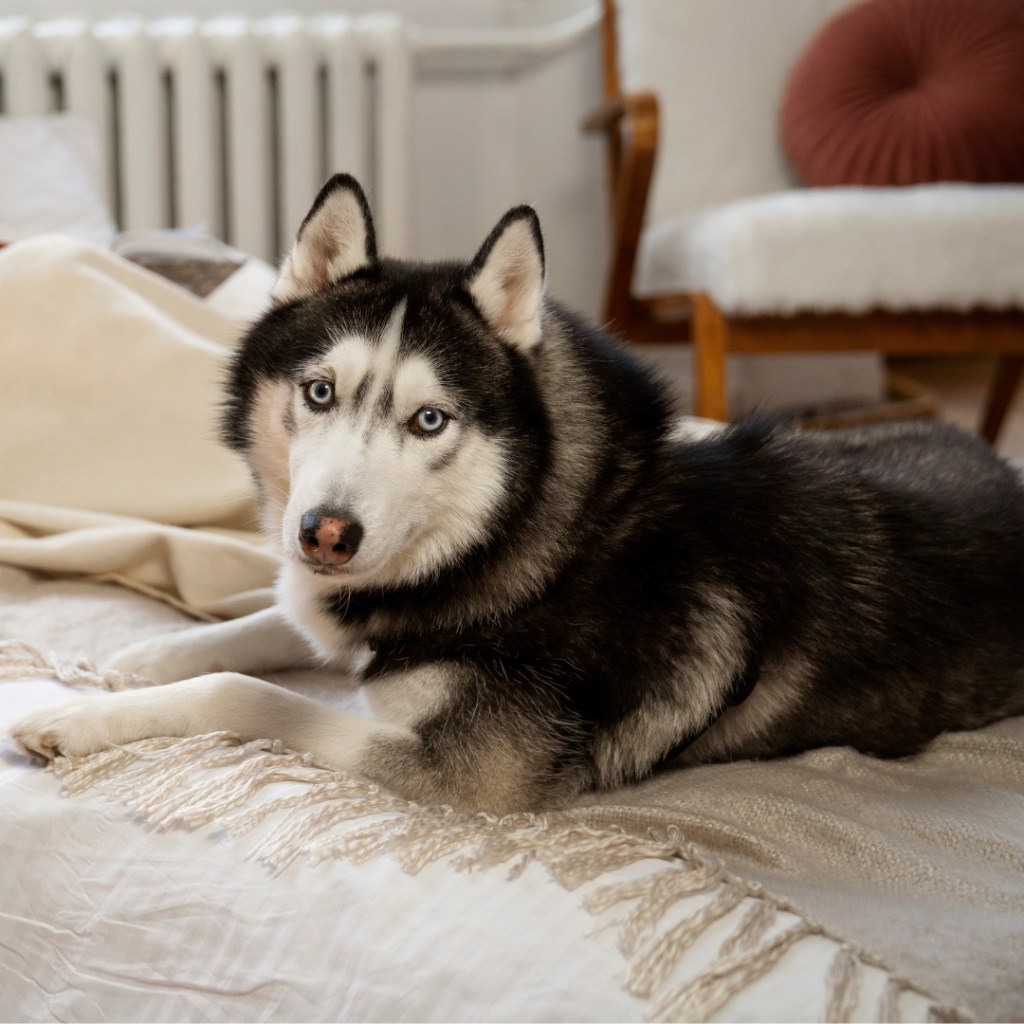
The Part Test: When you part the hair down to the skin, you will notice a short, thick, and fluffy layer hidden beneath longer, smoother hairs.
Texture Test: The undercoat feels soft and downy, while the outer “guard hairs” are much coarser to the touch.
Shedding Pattern: These dogs are famous for “blowing” their coats. Expect heavy, seasonal shedding – usually in spring and autumn – where the undercoat comes out in large clumps.
Single Coat
Common Examples: Poodle, Greyhound, and Boxer.
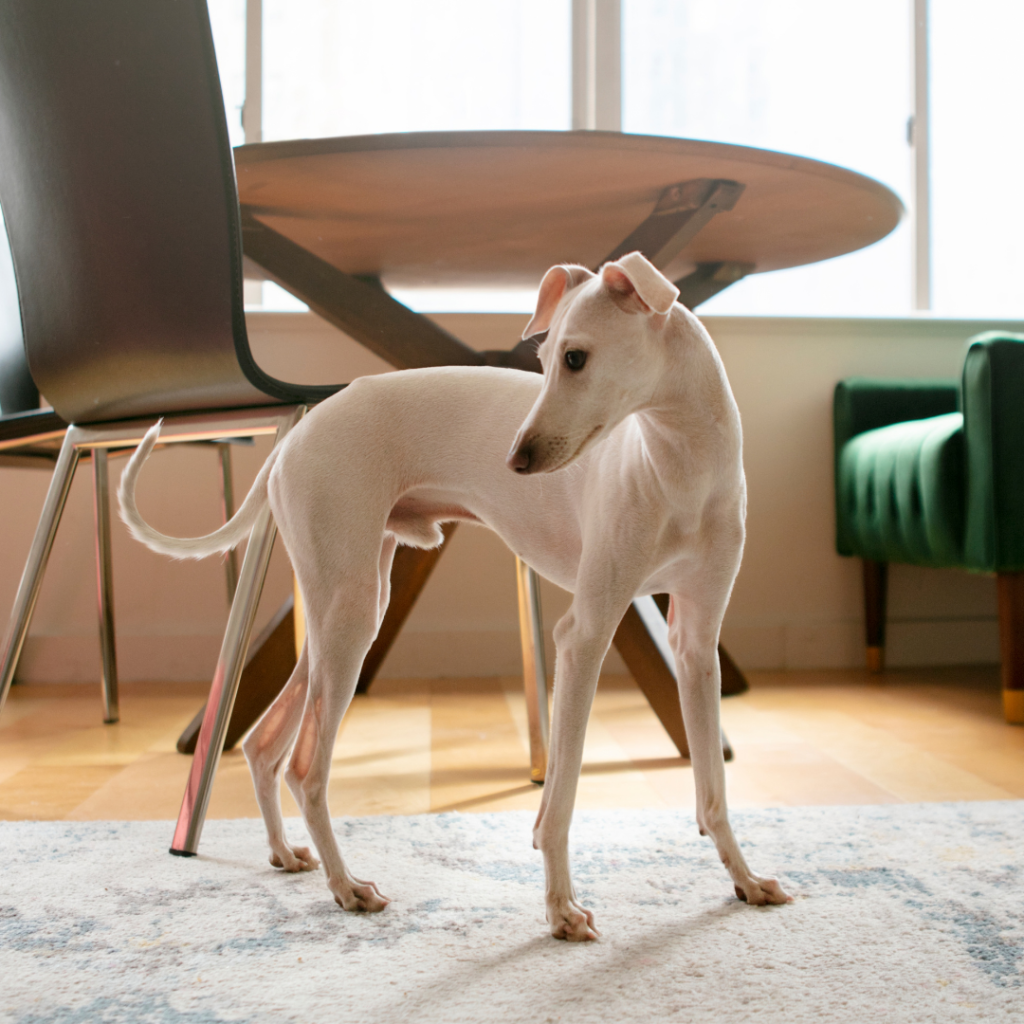
The Part Test: When parting the fur, you will see only one consistent layer of hair from the top to the skin.
Texture Test: The hair feels uniform in texture from the root to the tip.
Shedding Pattern: These pups are light, steady shedders. You’ll notice a small amount of hair year-round rather than the sudden seasonal explosions of fur seen in double-coated breeds.
Wirehaired Coat
Common Examples: This coat type is frequently seen in Wirehaired Dachshunds, German Wirehaired Pointers, and Schnauzers.

Feel: The fur feels harsh, dense, and bristly – comparable to the texture of a coconut husk or actual wire.
Appearance: These dogs often sport “furnishings,” which are the longer patches of hair that form a characteristic beard and bushy eyebrows.
Growth Pattern: The hair grows in a way that gives the dog a slightly scruffy or “broken” look, regardless of how recently they were brushed.
Why Does it Matter?
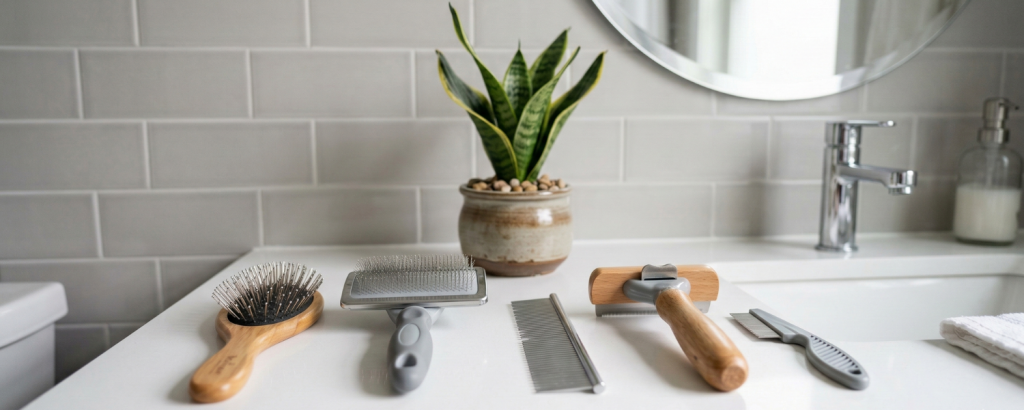
Identifying your dog’s coat type allows you to:
- Use Proper Brushing Techniques: Different textures require different tools to avoid pulling on the skin.
- Set Correct Grooming Schedules: Some coats need daily attention, while others only require a weekly brush.
- Prevent Health Issues: Proper identification helps you stay ahead of painful matting and hidden skin irritations.
Manage Your Home: Understanding shedding patterns means you can prepare for “shedding season” before your couch changes colour.
Final Thoughts
Ultimately, recognising whether your dog has a double, single, or wirehaired coat is the first step toward professional-level care at home. This knowledge is the secret weapon that allows you to master proper brushing techniques and establish a grooming schedule that actually works for your pet’s specific needs.
For expert care on different coat types, book with Ultimate Pet Care.